

2026 Direct Selling Trends
Posted On
March 9, 2026
By:
Exigo
By mid-February, the momentum of New Year’s goals has faded, making it the opportune time to revisit those 2026 vision plans and refocus on the opportunities ahead.
For leaders in direct selling, the start of 2026 goes beyond mere intentions; it’s a time to prepare responses to the ever-changing industry landscape. This year, we can expect additional technology advances, evolving consumer behavior, and transforming workforce expectations. The companies that will succeed this year are those that spot what’s coming early and position themselves to move with the tide.
Here are 5 direct selling trends emerging as the forces most likely to shape the industry this year.
1. Social Commerce is Exploding
Shopping has never been easier, and costumers no longer need to leave the comfort of their late night scrolling to discover new products. Consumers are relying on personalized algorithms to surface products and guide their research. Platforms have rapidly evolved into retail ecosystems that include in app purchasing, creator storefronts, product tagging, and recommendation systems.
Reviews, demonstrations, comments, and real usage all take place in one central location, our social media platform of choice. By removing the steps between seeing an ad and navigating to a website to check out, shoppers now encounter content from accounts they trust and move directly from inspiration to purchase.
Much of the attention is on TikTok Shop, where projections for 2026 revenue are already exceeding 23 billion. An especially interesting element within the TikTok environment is shoppertainment. Livestream shopping, demonstrations, and storytelling blur the line between content and commerce. Similar experiences are unfolding on Facebook Live, Instagram Live, and YouTube Live, where real time interaction recreates the feeling of in person demonstrations while reaching a far broader audience.
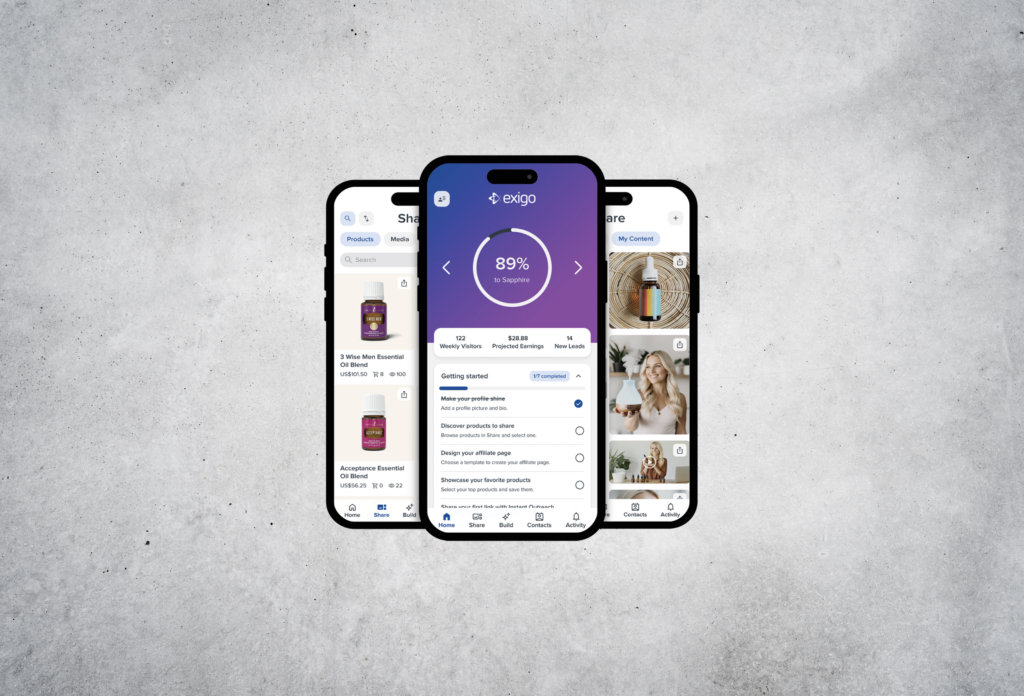
A word of caution: while in-app purchasing feels like the shiny new toy, and it certainly is earning that spot in respect to potential revenue generation, there can be a downside. While sales are happening, software in most cases has not caught up and requires additional manpower hours to manually take sales data and convert it to attribution. With a tool like the Engage Mobile App, distributors are already plugged into an existing commission engine that branches with social media storefronts, making attribution seamless.
2. AI-Driven Automation
It would be difficult at this point to find an industry that Artificial Intelligence has not touched. We see AI supporting growth in the direct selling industry in three key ways: engagement, automation, and decision making.
In 2026, customer attention is harder to earn and even easier to lose. This is the moment for direct selling leaders to rethink how they are connecting with both distributors and buyers. Customer engagement is dependent on timely, relevant interactions. Companies that have already begun deploying AI as a strategic advantage are using its capabilities not only to respond, but also to do so in ways that reflect what people want and when they are most ready to respond.
AI enables distributors to move beyond generic outreach to tailored engagement. It takes the guesswork out of who to contact, guiding distributors on which relationships need attention, what products might resonate, and when a conversation is most likely to lead to a sale. As a customer base grows, it can become difficult to remember every milestone, reorder cycle, or life update. AI systems can fill in the gaps by creating reminders that prompt distributors about birthdays, lapsed subscriptions, or even nudges for inactivity.
Routine communication through follow-ups, reminders, or onboarding messages can run seemingly in the background, reducing administrative strain and creating more time to focus on genuine relationships that run our businesses. Automation is becoming essential for organizations wanting to reduce burnout within their distributors. Streamlining repetitive work allows space to scale, while maintaining the flexibility that attracts people to this format of bussiness to begin with.
Distributors are expected to make fast, informed decisions. AI tools can not only simplify this process but also reduce potential risk by turning data into practical guidance. Instead of relying just on instinct, entrepreneurs can see predictions of what actions are most likely to produce revenue-driving results. Time and energy can be more effectively targeted toward interactions with a high likelihood of resulting in a purchase, or toward prospects who may be open to joining the business. Visibility into sales patterns and upcoming demand allows distributors to plan outreach with greater confidence.
3. Digital First Infrastructure
Smartphones have moved to the center stage when it comes to business necessities. Because so much of our day-to-day lives relies on mobile access, entrepreneurship should be just as accessible. Direct selling employment is known for its flexibility; having mobile capabilities takes this a step further. Your distributors can now train, recruit, and sell from truly anywhere.
In this new era of selling, distributors have choices. Potential recruiters compare companies based not only on product offerings, but also on platform quality. Younger entrepreneurs have grown up with apps, instant information, and self-service tools, making them far less tolerant of clunky systems. Digital-first organizations that embrace mobile accessibility reduce burnout that has historically caused distributors to disengage.
Both companies and distributors want visibility built directly into their platforms. This includes easy-to-read dashboards that display sales trends, team activity, and customer behavior, helping distributors focus their efforts. Over 70 percent of organizations say real-time data access is critical to improving decision-making.
With Exigo Experience Builder, companies can deliver mobile-first, personalized e-commerce and back-office portals that keep distributors connected to what matters most: performance and progress. Because Experience Builder is designed specifically for direct selling, including replicated sites, attribution, and enrollment flows, the field experience becomes more than a storefront. It becomes a live business hub. When paired with real-time performance tracking across Exigo’s ecosystem, leaders and representatives can make faster decisions and act while opportunities are still fresh.
4. The Power of Localization
We know the world of direct selling moves quickly and we hope our businesses are flexible enough to respond. This is never more true when we see a potential market opening. Expansion is exciting, but it can also reveal how much adjustment is required behind the scenes. The way people shop, communicate, and build trust varies more than we sometimes expect, and those differences can determine whether momentum builds or stalls.
Entering a new region successfully means meeting people where they are. Language matters, but so do everyday details like pricing expectations, preferred payment methods, and how business relationships are formed. Distributors need tools and materials that feel natural to share within their communities, not content that feels imported or out of place. When customers see themselves reflected in the experience, confidence grows and conversations start more easily.
Regulatory expectations shape everything from how products are marketed to how compensation plans are structured. Requirements around income disclosures, product claims, data privacy, and enrollment practices vary widely, and companies must be prepared to adjust before entering the market. Distributors also need clear guidance so they can build confidently without worrying that everyday activities could put their business at risk.
Companies that invest in getting this right create credibility with regulators and customers alike.
5. Trust Will Become a Competitive Advantage
As the direct selling industry becomes more visible online, especially through social commerce, credibility is becoming the deciding factor for both customers and prospective distributors. Consumers now research extensively before buying or joining an opportunity. They compare brands, read reviews, and look for authentic experiences rather than polished marketing claims.
In this environment, companies that demonstrate integrity and openness will outperform those that rely on hype or outdated messaging. Transparency builds confidence, while exaggerated promises quickly erode it.
In an increasingly open digital environment, trust is becoming the ultimate competitive advantage. Customers and prospective distributors evaluate companies based on credibility as much as product value. Organizations that communicate honestly, set realistic expectations, and prioritize authentic relationships will build stronger loyalty and attract more committed participants in 2026.
Connect with the Exigo team today and learn how we can modernize your stack for 2026.